A Bengali wedding meal often feels more complete with a round of sweets at the end. Between old family favourites and a couple of newer additions, a good dessert spread rounds off the whole celebration nicely. Before you lock anything in, think about the season, your guest list, the crowd size and what’s already on the main menu. Even a short, well thought out list works for both small get-togethers and big receptions.
Why Desserts Matter So Much at a Bengali Wedding
Sweets hold a certain place in Bengali households, especially during weddings and family functions. At a reception, the right traditional desserts bring back familiar tastes and give the spread a clear Bengali identity. You don’t have to go overboard with the count either — a handful of sweets, each with its own flavour and texture, is usually plenty to keep guests happy without making the menu unnecessarily complicated.
Start With the Traditional Bengali Sweets
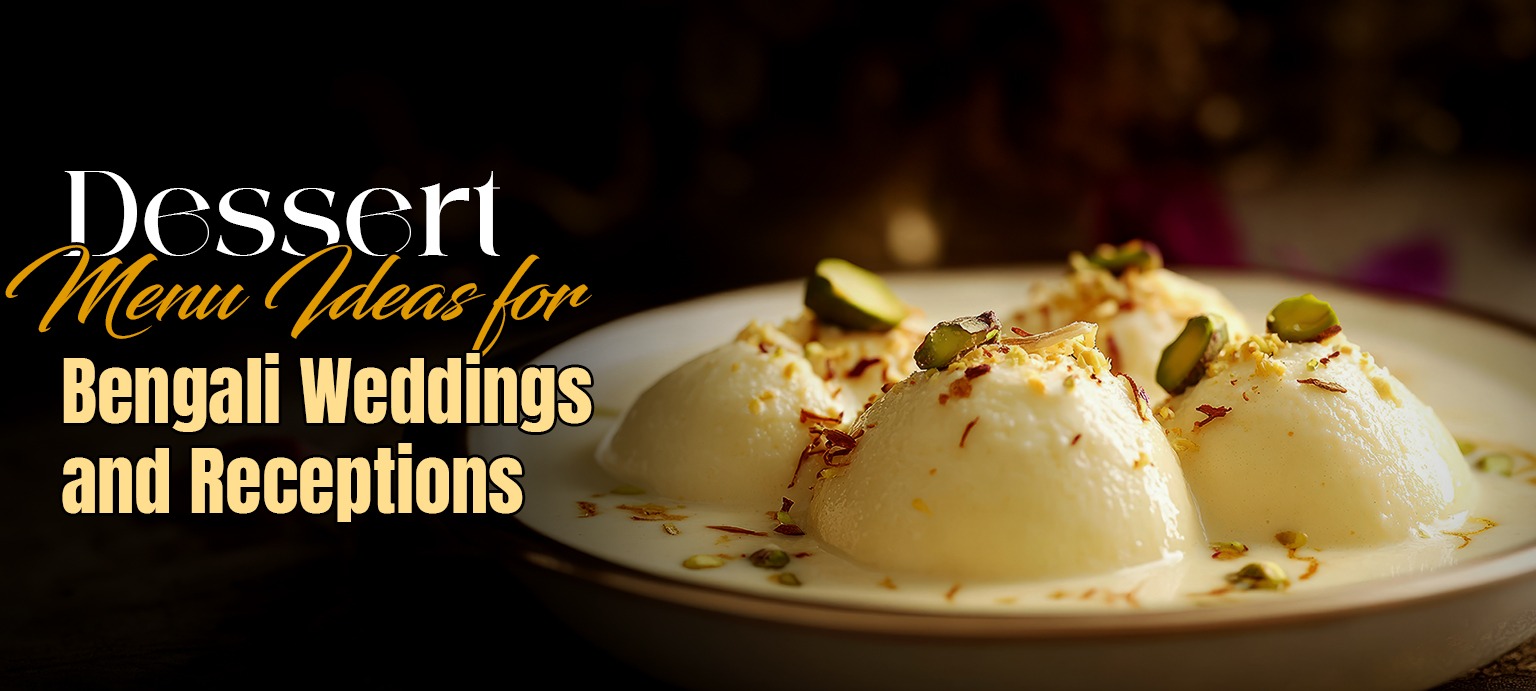
There’s a reason rosogolla, sandesh, mishti doi and rajbhog show up at almost every Bengali wedding — they remain popular choices, no matter the size or style of the event. Payesh deserves a spot too, particularly if you want something that feels rooted in tradition. Made right, with milk, rice, sugar and a few dry fruits, it brings a warmth that few other desserts match. These familiar names alone can carry most of the Bengali character in your dessert table.
Blend the Old With Something New
You don’t need to pick sides between classic and modern — most Bengali weddings work best with a bit of both. Keep rosogolla, sandesh and mishti doi as your anchors, then slip in ice cream or another contemporary option for guests who want a change of pace. Again, this isn’t about a longer list; it’s about a handful of desserts that differ enough in taste and texture to feel like real variety.
Let the Season Guide Your Picks
The time of year your wedding falls in makes more difference than people expect. Summer receptions do better with cooler options like mishti doi, chilled payesh and ice cream, since guests are already dealing with the heat. Cooler months open the door to heavier, richer sweets. Matching desserts to the weather keeps the closing course comfortable and makes it feel like a natural part of the whole meal rather than an afterthought.
Think of Desserts as Part of the Whole Menu
It helps to treat dessert as one piece of the larger meal, not a decision you make separately at the end. If your main courses are already rich and heavy, lean toward something lighter for dessert. If the main spread is fairly simple, there’s more room to add variety at the end. Looking at the full menu together, rather than in isolated pieces, gives you a much better sense of balance.
Wedding Dessert Menu Ideas for a Bengali Reception
When you’re putting together wedding dessert menu ideas, the first thing to think about is what kind of reception you’re hosting and who’s coming. For most gatherings, a simple mix of traditional Bengali sweets plus one modern option does the job well. A combination worth considering:
• Rosogolla and sandesh for classic Bengali flavour
• Mishti doi as a chilled option
• Payesh for that traditional touch
• Baked Rosogolla or Rosomalai as an extra sweet
• Ice cream for kids and guests who prefer something familiar
You can always tweak this list depending on your main course, the season and what your family enjoys most.
Set Up a Bengali Sweet Counter
For bigger weddings, a dedicated sweet counter is worth considering instead of plating everything at the table. It lets guests pick what they actually want from a neat display rather than being served whatever’s on the tray. A counter can stay small with just a few staples or expand for a larger crowd. Just make sure it’s placed somewhere guests can reach easily without crowding the main food line.
Keep Different Age Groups in Mind
Every wedding brings together people with very different tastes and dessert preferences are no exception. Older relatives usually gravitate toward the classic sweets, while children often reach straight for the ice cream. Covering both ends with a mixed selection keeps everyone satisfied. Smaller portions across a few desserts also let guests sample more than one option without overloading their plate.
So How Many Desserts Do You Actually Need?
There’s no set number that fits every wedding. It really comes down to guest count, the size of the overall meal, the format of the event and how your caterer is set up to serve. Two or three choices are usually enough for a smaller gathering. Bigger receptions can stretch to more options or a full sweet counter. The goal is variety in flavour and texture, not just a longer list for the sake of it.
Get the Portions Right
Once you’re serving several sweets side by side, portion sizes start to matter more. Smaller servings let guests try a few different desserts instead of filling up on just one. How much you need will depend on your guest count and everything else on the menu. Talking portions through with your caterer ahead of time makes this part of planning much simpler.
Desserts That Work for a Summer Wedding
Summer receptions call for desserts that feel light and refreshing after a full meal. Mishti doi, chilled payesh and Sandesh all fit the bill for a Bengali wedding held during the warmer months. If chilled items are on your list, talk through storage and serving logistics with your caterer well before the event so the desserts can be served as planned.
Desserts That Work for a Winter Wedding
Cooler weather gives you room to lean into richer, more traditional sweets. Payesh, Nolen Gurer sandesh and rajbhog all suit a Bengali winter wedding menu nicely. Feel free to add another dessert if you want more choice on the table. What matters most is matching the selection to your main course and your guests’ tastes rather than repeating the same list every year.
Keep the Bengali Flavours Front and Centre
If your wedding leans heavily into Bengali tradition, let the sweets reflect that. Rosogolla, sandesh, mishti doi and payesh already cover a wide range of textures and flavours between them. Add one modern dessert on top for guests who want something different and you’ve got a menu that stays rooted in Bengali food culture while still offering a bit of variety.
Dessert Ideas for Larger Weddings
Bigger weddings tend to need a slightly wider dessert spread simply because more people mean more tastes to cover. Rather than piling on items, aim for a balanced set — a few traditional sweets, one chilled dessert and maybe one extra choice. A sweet counter helps here too, making service smoother. Let the size of your event guide how many options actually make sense.
Points Worth Discussing With Your Caterer
Before you finalise anything, sit down with your catering team and go over the guest count, event date and the full food menu together. It’s also worth asking about serving style, portion sizes and how certain desserts will be stored. Planning a sweet counter? Check on space and setup requirements at your venue ahead of time. These conversations save a lot of last-minute pressure.
Catering Desserts for Wedding Celebrations
Share your preferred sweets and your overall menu with your catering team early on. They can factor in guest count, event format and the rest of the food to help you settle on quantities and serving style. This matters even more for larger Bengali weddings, where dessert might be just one of several food counters running at the same time.
A Simple Bengali Wedding Dessert Menu
If you’d rather keep things straightforward, rosogolla, sandesh, mishti doi and payesh together make for a simple and varied selection. Want one more option for a reception? Add ice cream. Planning something bigger? Rajbhog or Fusion Bengali Sweet or a dedicated sweet counter can round things out further. Whatever you choose, make sure it complements the main course instead of competing with it.
Make It Personal
A wedding dessert table doesn’t have to stick to a standard list. If a particular sweet has been part of your family’s celebrations for generations, that’s reason enough to include it. Talk to close family before finalising anything — those small personal touches often end up mattering more to guests than anything else on the table.
Keep the Presentation Simple
You don’t need an elaborate setup to make dessert look good. Bengali sweets already have distinctive shapes and colours of their own, so neat serving dishes and a tidy counter usually do the trick. The real priority is keeping everything fresh and easy to serve, so guests can enjoy dessert without any fuss during the event.
A Quick Checklist Before You Finalise
A few things worth confirming before you lock in your dessert menu:
• Does it match the rest of the food menu?
• Are the choices right for the season?
• Is there something for every age group?
• Is the quantity right for your guest count?
• Can the venue handle chilled desserts properly?
• Would a sweet counter make sense here?
• Is there enough variety without the list getting too long?
Running through these points helps you land on a dessert menu that actually works for your event.
Final Thoughts
Choosing desserts for a Bengali wedding really comes down to balancing tradition, variety and practicality. Rosogolla, sandesh, mishti doi and payesh give you a solid Bengali base and something like ice cream adds one more choice on top. Keep the season, guest count, main menu and serving setup in mind and you’ll end up with a dessert course that closes out the meal on the right note.
Still working out the full food menu for your big day? At Hindusthan Cuisine, we handle weddings, receptions, private parties, corporate events, cocktail parties and theme parties and we can also assist with different parts of the menu, including the dessert counter. Our catering team includes professionals trained at IHM Kolkata (Taratala) and we focus on maintaining quality and presentation across the menu. Whether you’re after an all-Bengali spread or want to mix in other cuisines, we can shape a menu around your guest count, budget and family’s food preferences. Starters, mains, sweets and live counters can all be planned according to your event. If you’ve been searching for the best catering services in Kolkata and want a team that works with your preferences, get in touch with us and tell us about your event. We can discuss your requirements from there.
Frequently Asked Questions
Que: What are some popular Bengali wedding desserts?
Ans: Rosogolla, sandesh, mishti doi, rabdi and payesh are the names that come up again and again at Bengali weddings. You can pick a handful based on your main menu, the season and what your guests tend to enjoy.
Que: How many desserts should I include in a Bengali wedding menu?
Ans: There’s no fixed rule here. Two or three choices usually work fine for a smaller gathering, while larger receptions can stretch further depending on guest count and the rest of the menu.
Que: Can modern desserts be included alongside traditional Bengali sweets?
Ans: Yes and it’s actually quite common. Pairing classics like rosogolla or mishti doi with baked rosogolla or another modern option gives guests a choice while keeping the core of the menu Bengali.
Que: Is mishti doi a good fit for a wedding reception?
Ans: Definitely. It’s a familiar, well-loved Bengali dessert that works at most receptions. Since it’s served chilled, just make sure storage and serving arrangements are sorted with your caterer beforehand.
Que: What desserts work best for a summer Bengali wedding?
Ans: Chilled options like mishti doi, cold payesh and ice cream sandesh hold up well in summer heat. If you’re going this route, talk to your caterer early about how these items will be stored and served on the day.
Que: How do I decide on desserts for my wedding catering?
Ans: Start with guest count, season, your main course and what your family enjoys. A mix of a few traditional Bengali sweets plus one extra option usually gives you enough variety without overcomplicating the menu.